Understanding Sevin Dust for Bug Control
Sevin Dust is a widely utilized insecticide, offering broad-spectrum control against numerous garden pests. It’s a popular choice for both home gardeners and agricultural applications,
providing effective protection for various plants and vegetables. Understanding its composition and proper usage is crucial for successful pest management.
What is Sevin Dust?
Sevin Dust is a carbaryl-based insecticide formulated as a fine, readily dispersible dust. It’s designed for direct application to plants to control a vast array of insect pests. This product differs from liquid insecticides in its application method and residual effect, offering a convenient solution for localized pest problems.

Historically, Sevin Dust has been a staple in gardens across the United States, known for its quick knockdown effect on many common insects. It works by disrupting the nervous system of insects, leading to paralysis and ultimately, death. However, its broad-spectrum nature means it also impacts beneficial insects, a factor gardeners must consider.
The dust formulation allows for good coverage on plant surfaces, ensuring the insecticide reaches the target pests. It’s particularly useful for controlling insects that feed on leaves, flowers, and fruits. While effective, responsible use and adherence to label instructions are paramount to minimize unintended consequences.
Active Ingredient: Carbaryl
Carbaryl is the active ingredient in Sevin Dust, belonging to the carbamate insecticide family. It functions as a cholinesterase inhibitor, disrupting the nervous system of insects. This disruption prevents the breakdown of acetylcholine, a neurotransmitter, leading to overstimulation, paralysis, and eventual death of the targeted pest.
Carbaryl exhibits broad-spectrum activity, meaning it’s effective against a wide range of insects, including caterpillars, beetles, aphids, and grasshoppers. However, this broad-spectrum nature also means it can affect non-target organisms, such as beneficial insects like bees and ladybugs.
The Environmental Protection Agency (EPA) regulates the use of carbaryl, establishing maximum residue limits (MRLs) for food crops to ensure consumer safety. Understanding carbaryl’s mode of action is crucial for responsible application, minimizing environmental impact, and maximizing its effectiveness against garden pests. Always consult the product label for specific safety and usage guidelines.
Pests Controlled by Sevin Dust
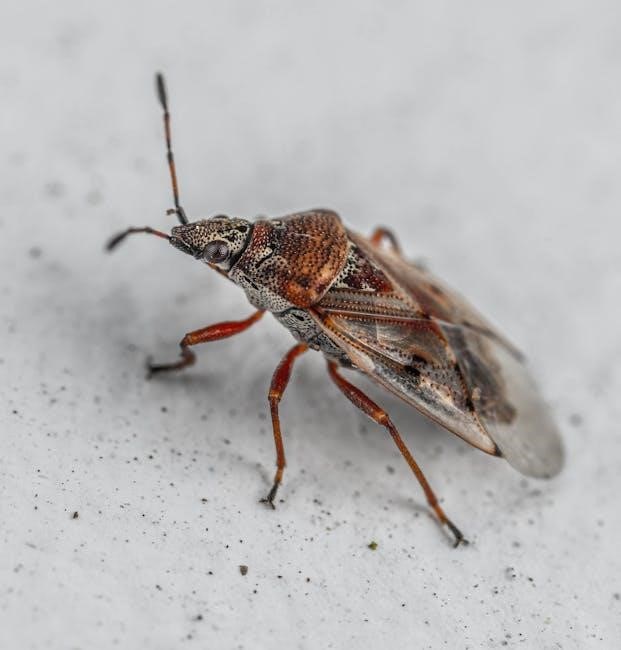
Sevin Dust effectively controls a vast array of garden pests, making it a versatile solution for protecting plants. Common insects targeted include caterpillars like cabbage loopers and tomato hornworms, which can defoliate plants rapidly. It also combats beetles, such as Japanese beetles and Colorado potato beetles, known for their destructive feeding habits.
Aphids, small sap-sucking insects, are readily controlled with Sevin Dust, preventing distorted growth and the spread of plant viruses. Grasshoppers, notorious for their voracious appetite, are also susceptible. Additionally, it manages flea beetles, squash bugs, and thrips, safeguarding a wide variety of vegetables and flowers.
However, remember Sevin Dust’s broad-spectrum nature means it impacts beneficial insects too. Careful application targeting specific pests is vital. Always refer to the product label for a comprehensive list of controlled pests and recommended application rates for optimal results in your garden.

Application Instructions for Sevin Dust
Proper application of Sevin Dust is key to effective pest control and minimizing unintended impacts. Always read and carefully follow the label instructions for best results and safety.
Preparing Your Garden for Application
Before applying Sevin Dust, thorough garden preparation is essential for maximizing its effectiveness and protecting beneficial organisms. Begin by removing any decaying plant matter or debris where pests might harbor. This reduces their immediate population and allows the dust to reach actively feeding insects.
Carefully inspect your plants to identify the specific pests you’re targeting. While Sevin Dust offers broad-spectrum control, knowing your enemy helps focus the application. Avoid applying during peak pollinator activity, ideally early morning or late evening, to minimize harm to bees and other beneficial insects;
Consider wind conditions; a calm day is best to prevent drift onto non-target areas. Protect any edible portions of plants that will be directly dusted – wash thoroughly before consumption. Finally, inform any neighbors about your intended application, fostering good relations and transparency.
Application Methods: Dusting
Direct dusting with Sevin Dust is a common and effective application method, particularly for broadleaf plants; Ensure even coverage by lightly dusting both the upper and lower leaf surfaces where pests reside. Focus on areas showing signs of infestation, such as chewed leaves or visible insects.
Avoid heavy application, as a thin, even coating is more effective than a thick layer. Excessive dust can smother plants and reduce their photosynthetic ability. For vegetables, dust just before harvest, but always observe the pre-harvest interval specified on the product label.
Dusting is best suited for dry conditions; avoid application if rain is expected soon, as it will wash away the product. Gently shake plants after dusting to distribute the powder and ensure it reaches hidden areas. Remember to wear appropriate protective gear during application, as detailed in the safety precautions.
Application Methods: Using a Duster
Employing a duster significantly improves the efficiency and accuracy of Sevin Dust application, especially for larger gardens or widespread infestations. Choose a duster designed for powder insecticides – bulb dusters or rotary dusters are commonly available.
Before filling the duster, ensure it’s clean and dry. Carefully pour the Sevin Dust into the reservoir, avoiding spills. When applying, hold the duster nozzle a few inches from the plants and gently puff the dust, creating a fine, even coating. Walk slowly and methodically to ensure complete coverage.
Adjust the duster’s settings to control the flow rate, depending on plant size and pest pressure. Avoid over-application; a light dusting is sufficient. Regularly check the duster nozzle for clogs and clear them promptly. Always wear appropriate protective gear, including a mask, gloves, and protective clothing, while operating the duster.
Dosage and Coverage Rates
Determining the correct dosage of Sevin Dust is paramount for effective pest control and minimizing environmental impact. Always consult the product label, as rates vary depending on the target pest and plant type. Generally, a light, even dusting is sufficient; avoid heavy applications.
For vegetable gardens, a typical rate is 2-4 pounds per 1,000 square feet. Fruit trees may require slightly higher rates, up to 6 pounds per 1,000 square feet. Flowers and ornamentals usually need the lower end of the range. Coverage should focus on both the upper and lower leaf surfaces, where many pests reside.
Reapplication may be necessary after rainfall or heavy watering. However, adhere strictly to the label’s instructions regarding reapplication intervals to prevent residue buildup. Careful measurement and consistent application are key to achieving optimal results while safeguarding your garden’s health.
Safety Precautions When Using Sevin Dust
Prioritize safety when applying Sevin Dust! Wear protective gear, keep children and pets away during application, and be mindful of pollinator protection for responsible use.
Protective Gear: Gloves, Masks, and Clothing
When handling Sevin Dust, prioritizing personal protection is paramount. Always wear long-sleeved shirts, long pants, and closed-toe shoes to minimize skin exposure. Chemical-resistant gloves, such as those made of nitrile or neoprene, are essential to prevent absorption through the hands.
A properly fitted dust mask or respirator is crucial to avoid inhaling the fine particles of Sevin Dust, which can irritate the respiratory system. Consider eye protection, like goggles or safety glasses, to shield your eyes from potential irritation.
After application, thoroughly wash your hands, arms, and any exposed skin with soap and water. Launder contaminated clothing separately from other laundry. Following these precautions significantly reduces the risk of adverse health effects associated with Sevin Dust exposure, ensuring a safer gardening experience.
Protecting Pollinators (Bees)
Sevin Dust poses a significant risk to pollinators, particularly bees, due to its broad-spectrum insecticidal properties. To minimize harm, avoid application when bees are actively foraging, typically during daylight hours and when flowers are in bloom. The best time to apply is late in the evening or early in the morning when bees are less active.
Direct application to flowering plants should be strictly avoided. If treatment is necessary on or near flowering plants, consider using alternative pest control methods that are less harmful to bees. Ensure that dust does not drift onto nearby flowering plants or bee habitats.
Creating a bee-friendly garden with diverse flowering plants away from treated areas can help support pollinator populations. Prioritizing pollinator safety is crucial for maintaining a healthy ecosystem and ensuring successful pollination of crops and wildflowers.
Pet and Child Safety
Sevin Dust presents potential hazards to both pets and children, necessitating strict safety precautions during and after application. Keep all pets, including dogs and cats, and children out of the treated area until the dust has completely settled and dried. This typically requires at least 24 hours, but longer may be needed depending on weather conditions.
Avoid allowing pets to ingest treated plants or soil. Symptoms of carbaryl poisoning in pets can include drooling, vomiting, muscle tremors, and difficulty breathing. If you suspect your pet has been exposed, contact a veterinarian immediately.
Store Sevin Dust in a secure location, out of reach of children and pets, preferably in a locked cabinet. Always supervise children when working with pesticides and educate them about the dangers of contact. Thoroughly wash hands after handling the product and before eating, drinking, or smoking.
Post-Application Considerations
Following application, monitor for rainfall, as it can reduce effectiveness and necessitate reapplication. Be mindful of beneficial insects and potential disputes with neighbors regarding usage.
Rainfall and Reapplication
The effectiveness of Sevin Dust can be significantly diminished by rainfall. Ideally, application should coincide with a period of several dry days to allow the dust to adhere to plant surfaces and remain active. If rainfall occurs shortly after application – within 24 hours is often cited – the product may be washed away, reducing its impact on targeted pests.
In such cases, reapplication may be necessary to maintain adequate pest control. However, always adhere strictly to the dosage and frequency guidelines outlined on the product label. Over-application does not necessarily improve results and can increase the risk of harm to non-target organisms or environmental contamination.
Check the weather forecast before applying Sevin Dust and plan accordingly. If rain is anticipated, consider postponing the application until more favorable conditions prevail. This proactive approach will maximize the product’s efficacy and minimize waste.
Impact on Beneficial Insects
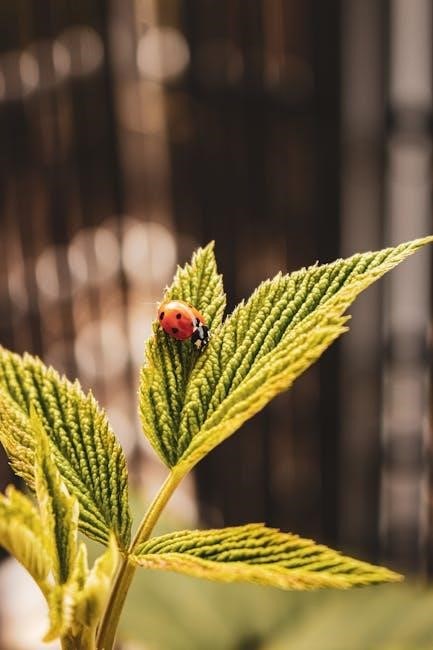
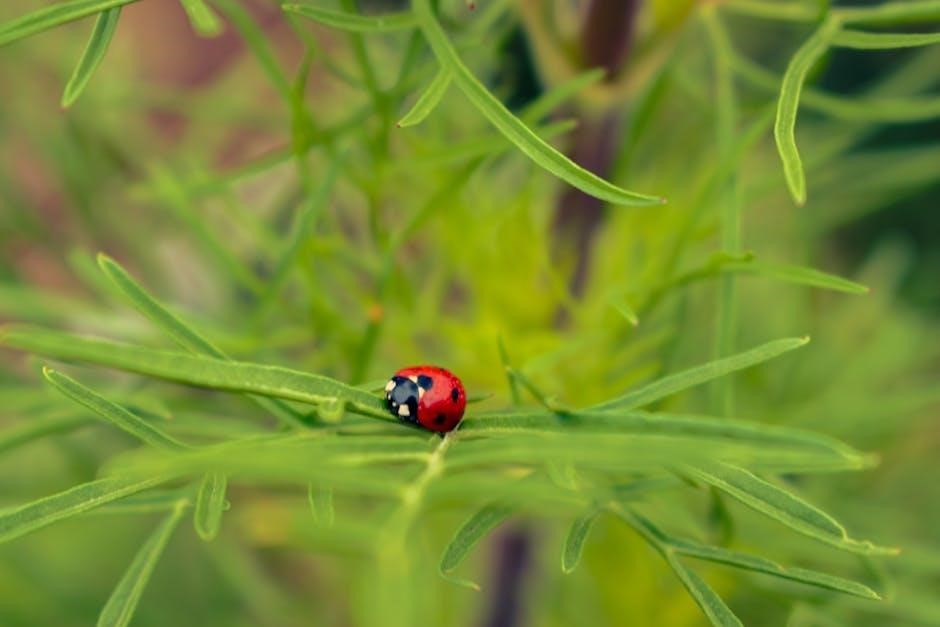
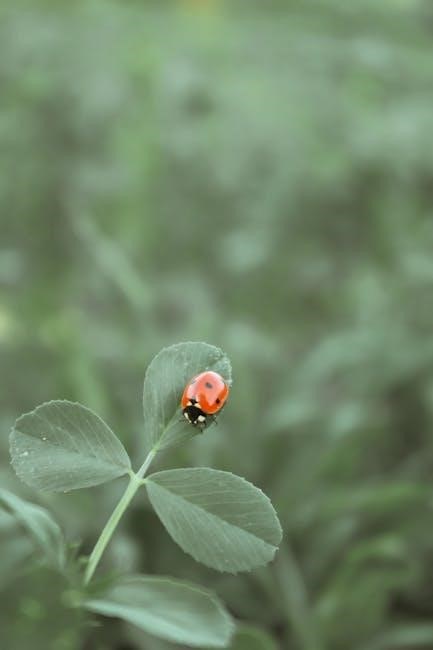
Sevin Dust, while effective against many pests, is a broad-spectrum insecticide, meaning it doesn’t discriminate between harmful insects and beneficial ones. This is a critical consideration when using this product in your garden. Beneficial insects, such as pollinators like bees and predatory insects like ladybugs, play a vital role in maintaining a healthy ecosystem.
Exposure to Sevin Dust can be harmful, even fatal, to these beneficial insects. This disruption can lead to an imbalance in your garden, potentially causing secondary pest outbreaks as natural controls are diminished. Therefore, careful application is paramount.
Minimize impact by avoiding spraying flowers in bloom, as this is where pollinators are most active. Consider applying Sevin Dust in the evening when bees are less likely to be foraging. Prioritize targeted application, focusing only on affected plants, to reduce overall exposure to beneficial insects.
Potential for Neighborly Disputes (Unauthorized Use)
The application of Sevin Dust onto another person’s property without their explicit consent is a serious issue that can quickly escalate into a neighborly dispute. As highlighted in recent online discussions, such as those on Reddit’s r/vegetablegardening forum, unauthorized application is a significant concern for gardeners.
Applying pesticides to a neighbor’s garden, even with good intentions, is considered trespassing and can lead to legal repercussions. It disregards their right to choose how their garden is managed and potentially exposes them to chemicals they may not want or need.
Open communication is key to preventing these conflicts. Before considering any pest control measures near property lines, discuss the situation with your neighbors. A collaborative approach, respecting each other’s preferences, is always the best course of action. Ignoring this can lead to strained relationships and potential legal action.
Removing Sevin Dust from Garden (If Applied Without Consent)
Addressing unwanted Sevin Dust requires immediate action to minimize harm to plants. Flushing the soil with water, applying activated charcoal, and replanting are potential remediation steps.
Flushing the Soil
Flushing the soil is a primary method for attempting to remove Sevin Dust residue after unauthorized application. This involves thoroughly watering the affected garden area, aiming to dilute and leach the carbaryl (the active ingredient in Sevin Dust) downwards and away from plant roots.
Begin by gently saturating the topsoil, then gradually increase the watering intensity over several hours. Avoid creating runoff, as this could spread the contamination to other areas. Multiple flushing sessions may be necessary, spaced a few days apart, to achieve a noticeable reduction in residue;
However, it’s important to understand that carbaryl is relatively persistent in the soil, and complete removal through flushing alone is unlikely. The effectiveness of this method depends on soil type – sandy soils drain more readily, facilitating leaching, while clay soils retain more residue. Monitor plants closely for signs of stress and consider supplementing with other remediation techniques.
Activated Charcoal Application
Applying activated charcoal to the soil can help absorb residual Sevin Dust, specifically the carbaryl component, mitigating its impact on plants. Activated charcoal possesses a porous structure, creating a large surface area capable of binding to various chemicals, including pesticides.
Spread a layer of horticultural-grade activated charcoal evenly over the affected garden soil, following the product’s recommended application rate. Gently work the charcoal into the top few inches of the soil, avoiding damage to plant roots. Water the area thoroughly after application to help distribute the charcoal and initiate the absorption process.
While activated charcoal can reduce carbaryl concentration, it doesn’t eliminate it entirely. It’s most effective when used in conjunction with soil flushing. Repeat applications may be necessary, and regular soil testing can help monitor residue levels. Remember that activated charcoal also binds to nutrients, so consider supplementing with fertilizer after treatment.
Planting New Seeds/Transplants
After remediation efforts, introducing new seeds or transplants requires careful consideration to ensure their survival and avoid re-exposure to residual Sevin Dust. Allow sufficient time – ideally several weeks – after flushing and charcoal application for the soil to recover and carbaryl levels to diminish significantly.
Before planting, conduct a soil test to assess remaining pesticide levels and nutrient content. Amend the soil with compost and organic matter to improve its structure and fertility, providing a healthy environment for new growth. Choose plant varieties known for their resilience and ability to thrive in potentially stressed conditions.
When planting seeds, ensure adequate spacing and depth, following package instructions. For transplants, gently handle the roots and water thoroughly after planting. Monitor new plants closely for any signs of stress or adverse reactions, and provide appropriate care to support their establishment.