Chefman Egg Cooker Instructions: A Comprehensive Guide
Welcome! This guide details operation of the Chefman electric egg cooker‚ a versatile appliance for quickly preparing eggs and even steaming vegetables.
Explore detailed instructions‚ troubleshooting‚ and model-specific information to maximize your cooking experience with this convenient kitchen tool.
From hard-boiled to poached‚ discover how to achieve perfect results every time‚ alongside cleaning and maintenance tips for lasting performance.
Understanding Your Chefman Egg Cooker
The Chefman egg cooker‚ specifically models like the RJ24-V2‚ is designed for effortless egg preparation. It’s more than just a hard-boiling device; it functions as a rapid egg-maker‚ poacher‚ and even a steamer for small portions of food. This appliance simplifies cooking‚ offering a convenient alternative to traditional stovetop methods.
Its core function revolves around controlled steaming‚ utilizing precise water levels to achieve desired egg doneness. The cooker’s compact design makes it ideal for smaller kitchens or individuals seeking a quick and easy breakfast solution. Beyond eggs‚ it can steam vegetables‚ adding versatility to its capabilities.
Understanding the components – the heating base‚ egg tray‚ poaching tray‚ and measuring cup – is crucial for optimal use. The appliance’s simplicity is a key feature‚ making it accessible for users of all experience levels. It’s a streamlined approach to a kitchen staple.
Unboxing and Component Identification
Upon unboxing your Chefman egg cooker‚ carefully inspect the contents. You should find the main heating base‚ which houses the heating element and power controls. Next‚ locate the egg tray‚ designed to hold up to twelve eggs‚ depending on the model. A poaching tray is included for preparing perfectly poached eggs – a fantastic alternative to traditional methods.
Essential for accurate water measurement is the measuring cup‚ crucial for achieving desired egg consistencies. Some models may include additional accessories‚ such as an omelet tray or a container for steaming vegetables. Ensure all components are present and free from damage.
Familiarize yourself with each part’s function before first use. The instruction manual provides detailed diagrams and explanations. Proper identification of these components will streamline the setup and operation of your new Chefman egg cooker‚ ensuring a smooth cooking experience.
Safety Precautions Before First Use
Before operating your Chefman egg cooker for the first time‚ several safety precautions are essential. Always ensure the appliance is placed on a stable‚ heat-resistant surface‚ away from flammable materials. Inspect the power cord for any damage; do not use if frayed or damaged;
Never immerse the heating base in water or any other liquid. The egg cooker is designed for indoor use only. Avoid operating the appliance with wet hands. Ensure the unit is unplugged during cleaning and when not in use.
Be cautious of hot surfaces‚ particularly the heating plate and steam emitted during operation. Allow the cooker to cool completely before disassembling or cleaning. Keep out of reach of children. Read the full instruction manual thoroughly to understand all safety guidelines and warnings before initial use.

Setting Up Your Chefman Egg Cooker
Prepare for cooking! Properly setting up your Chefman egg cooker involves understanding water levels‚ egg placement‚ and initial power-on procedures for optimal results.
Water Level Guide for Desired Doneness
Achieving perfect eggs relies on precise water measurement. The Chefman egg cooker utilizes water levels to determine the final consistency of your eggs. Generally‚ use the included measuring cup for accuracy.
For soft-boiled eggs with runny yolks‚ add the minimum water level indicated on the cooker base – typically markings for “soft” or a specific cup measurement.
To create medium-boiled eggs‚ increase the water level to the “medium” marking. This yields a yolk that is partially set but still slightly soft in the center.
Hard-boiled eggs require the maximum water level‚ indicated by the “hard” marking. Ensure the heating plate is fully covered for consistent cooking. Remember‚ slight adjustments may be needed based on egg size and personal preference. Experiment to find your ideal doneness!
Always refer to your specific model’s instructions for precise measurements.
Loading Eggs into the Egg Tray
Proper egg placement is crucial for even cooking. Gently place eggs onto the egg tray‚ ensuring they sit securely within each indentation. The Chefman cooker can typically accommodate up to seven eggs‚ though some models may hold twelve.
Avoid overcrowding the tray; eggs should not be stacked or touching excessively. This allows for optimal steam circulation and prevents uneven cooking.
For poaching‚ ensure the poaching tray is correctly positioned on top of the egg tray before adding eggs. Crack eggs directly into the poaching cups‚ being careful not to overfill.
Always use fresh eggs for best results. Close the lid securely after loading‚ ensuring it’s properly sealed to trap steam. A secure lid is vital for achieving the desired consistency.
Do not operate the cooker without the lid firmly in place.
Powering On and Initial Operation
Before the first use‚ ensure the heating plate is clean and dry. Plug the Chefman egg cooker into a grounded electrical outlet. The power indicator light will illuminate‚ signifying the unit is receiving power.
Select your desired cooking method using the control dial or buttons‚ depending on your model. Refer to the ‘Water Level Guide’ to add the appropriate amount of water for your preferred egg doneness.
Once the water level is set and the eggs are loaded‚ press the ‘Start’ button. The cooker will automatically begin the cooking process.
The unit will typically beep or automatically shut off when cooking is complete. Allow the cooker to cool slightly before carefully removing the egg tray. Always use caution when handling hot components.

Cooking Methods & Instructions
Discover versatile cooking! This section provides detailed‚ step-by-step guides for hard-boiled‚ soft-boiled‚ poached eggs‚ and even steaming vegetables with your Chefman cooker.
Hard Boiled Eggs: Step-by-Step Guide
Achieving perfectly cooked hard-boiled eggs with your Chefman egg cooker is remarkably simple. Begin by adding the desired amount of water into the base‚ using the measuring cup provided for accuracy – typically‚ the water line corresponds to the desired firmness.
Carefully place the eggs onto the egg tray‚ ensuring they are securely positioned. Power on the device and select the ‘hard-boiled’ setting‚ or utilize the manual settings if your model requires.
The cooker will automatically shut off when the eggs reach the optimal doneness. Immediately transfer the eggs to an ice bath to halt the cooking process and facilitate easy peeling. This prevents a greenish ring from forming around the yolk. Enjoy your perfectly cooked‚ easy-to-peel hard-boiled eggs!
Soft Boiled Eggs: Achieving the Perfect Yolk
Creating soft-boiled eggs with a runny yolk is a delightful experience with your Chefman egg cooker. Start by adding water to the base‚ referencing the water level guide for soft-boiled consistency – less water is needed compared to hard-boiled eggs.
Arrange the eggs on the tray‚ ensuring even distribution. Select the ‘soft-boiled’ setting if available‚ or manually adjust the cooking time. Monitor closely‚ as cooking times vary based on egg size and desired yolk consistency.
Once the cooker shuts off‚ immediately transfer the eggs to cold water to stop the cooking process. Gently crack and enjoy the creamy‚ runny yolk – perfect for dipping toast or adding to salads!
Poached Eggs: Utilizing the Poaching Tray

The poaching tray transforms your Chefman egg cooker into a convenient poaching station. Add water to the base‚ following the markings specifically for poaching – typically a higher water level than for boiled eggs. Ensure the poaching tray is securely placed within the cooker.
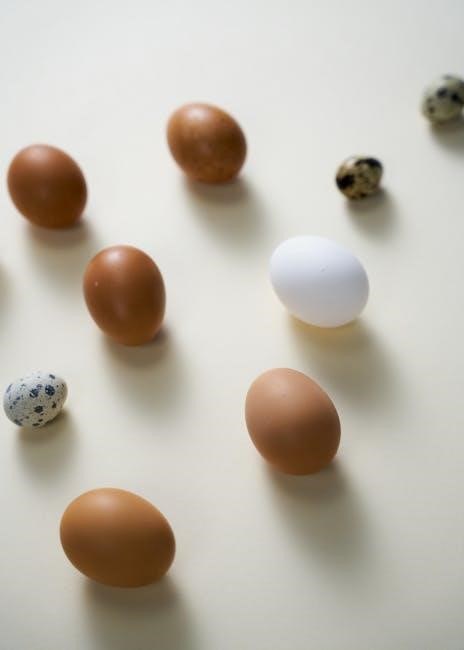
Lightly oil the indentations on the poaching tray to prevent sticking. Carefully crack an egg into each indentation. Select the poaching setting if your model has one‚ or manually set the cooking time.
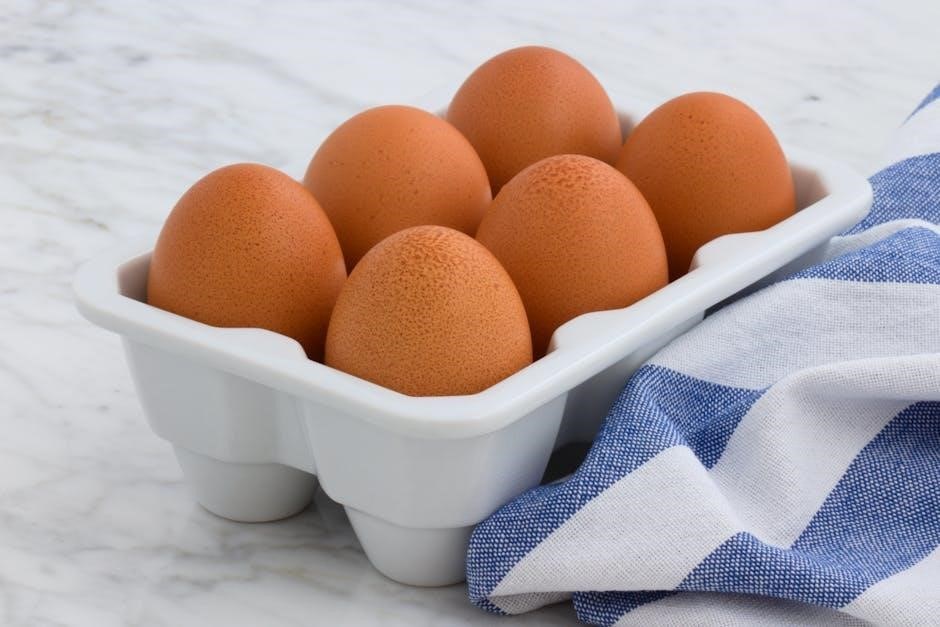
The steam gently cooks the eggs‚ creating perfectly poached results. Once finished‚ carefully remove the poached eggs with a slotted spoon and enjoy on toast‚ eggs benedict‚ or your favorite dish!
Steaming Vegetables: A Versatile Function
Beyond eggs‚ your Chefman cooker excels at steaming vegetables! Add water to the base‚ using the water level guide for steaming – generally less water than for boiling eggs. Place the steaming tray (often included or adaptable from the poaching tray) into the cooker.
Cut vegetables into bite-sized pieces for even steaming. Arrange them on the steaming tray‚ ensuring they aren’t overcrowded. Select a steaming setting if available‚ or manually set the cooking time. Start with shorter times and check for desired tenderness.
Steaming preserves nutrients and flavor beautifully. Enjoy steamed broccoli‚ carrots‚ or other favorites as a healthy side dish!
Advanced Features & Techniques
Unlock full potential! Explore precise water level adjustments‚ altitude cooking modifications‚ and strategies for cooking varying egg quantities with your Chefman cooker.
Using the Measuring Cup for Accurate Water Levels
Precision is key to achieving your desired egg consistency with the Chefman egg cooker. The included measuring cup is specifically designed to ensure accurate water levels‚ directly impacting the final result. Always utilize the cup‚ avoiding estimations‚ as even slight variations can alter cooking times and textures.
Refer to the water level guide (detailed elsewhere in this manual) to determine the appropriate amount of water for your preferred doneness – soft‚ medium‚ or hard-boiled. Carefully fill the measuring cup to the indicated line‚ then pour the water into the heating base.
For poaching‚ the measuring cup helps gauge the correct water depth for perfectly poached eggs. Remember that the cup’s markings are crucial for consistent outcomes. Consistent use of the measuring cup eliminates guesswork and guarantees repeatable‚ delicious results every time you use your Chefman egg cooker.
Adjusting Cooking Time for Altitude
Altitude significantly impacts water’s boiling point. At higher elevations‚ water boils at a lower temperature‚ requiring adjustments to cooking times when using your Chefman egg cooker. If you live above 3‚000 feet (approximately 914 meters)‚ you’ll likely need to increase cooking time to achieve desired results.
As a general guideline‚ add approximately 1-2 minutes to the recommended cooking time for each 1‚000 feet above sea level. Start with a small increment and test; it’s better to slightly undercook and add more time than to overcook.
Experimentation is key to finding the perfect timing for your specific altitude and preferred egg doneness. Keep a record of your adjustments to ensure consistent outcomes. Remember‚ these are estimates‚ and individual Chefman egg cooker models may vary slightly.
Cooking Different Quantities of Eggs
The Chefman egg cooker is designed for versatility‚ accommodating various egg quantities. While it can quickly make up to 12 eggs‚ adjustments may be needed for smaller batches. When cooking fewer than six eggs‚ it’s generally recommended to add a tablespoon of water to the base to ensure sufficient steam generation.
For 1-3 eggs‚ start with the minimum water level indicated for soft-boiled eggs and add the extra tablespoon. Monitor closely‚ as smaller quantities cook faster. Conversely‚ when cooking a full capacity of 12 eggs‚ adhere strictly to the water level guide for your desired doneness.
Consistent results depend on maintaining the correct water-to-egg ratio. Experimentation is encouraged to fine-tune cooking times based on your specific model and preferences.
Maintenance and Cleaning
Regular cleaning ensures optimal performance and longevity of your Chefman egg cooker. Disassemble components after each use‚ washing them with mild soap and warm water.
Avoid abrasive cleaners that could damage the non-stick surfaces.
Disassembling the Egg Cooker for Cleaning
Before cleaning‚ always ensure the Chefman egg cooker is unplugged and completely cool. Gently lift the heating base from the egg tray assembly. The egg tray itself typically consists of several removable parts – the egg holder‚ poaching tray (if applicable)‚ and measuring cup.
Carefully remove the egg holder from the base. The poaching tray usually lifts straight out. The measuring cup can be detached independently. It’s crucial to avoid forcing any components‚ as this could cause damage. Refer to your model’s specific diagram (often found in the included manual) for precise disassembly instructions‚ especially for variations like the RJ24-V2.
Once disassembled‚ you’ll have individual pieces ready for thorough cleaning. Remember to keep track of all parts to ensure easy reassembly later!
Cleaning the Heating Plate and Egg Tray
To clean the heating plate‚ gently wipe it with a damp‚ soft cloth. Avoid abrasive cleaners or scouring pads‚ as these can scratch the surface. For stubborn residue‚ a mild dish soap solution can be used‚ ensuring the plate is thoroughly rinsed and dried afterward.
The egg tray and its components (egg holder‚ poaching tray‚ measuring cup) are typically dishwasher safe‚ but always check your model’s manual for confirmation. If handwashing‚ use warm‚ soapy water and a non-abrasive sponge. Pay close attention to any crevices where egg residue might accumulate.
Rinse all parts thoroughly and allow them to air dry completely before reassembling the egg cooker. Ensure no water remains on the heating element before use.
Proper Storage of Your Chefman Egg Cooker
For long-lasting performance‚ store your Chefman egg cooker in a cool‚ dry place away from direct sunlight and moisture. Before storing‚ ensure the unit is completely cool and dry. Disassemble the cooker‚ cleaning all components as outlined in the maintenance section‚ to prevent odors or residue buildup.
Avoid wrapping the power cord tightly around the appliance‚ as this can damage the wiring over time. Instead‚ loosely coil the cord and secure it with a cable tie or fastener. Store the egg cooker in its original packaging‚ if available‚ or a protective container to prevent scratches or damage during storage.
Keep the unit out of reach of children and pets.

Troubleshooting Common Issues
Facing problems? This section provides solutions for common issues like the cooker not turning on‚ eggs cooking unevenly‚ or problems with the poaching tray.
Resolve these quickly to enjoy perfectly cooked eggs and steamed vegetables every time with your Chefman appliance!
Egg Cooker Not Turning On
Is your Chefman egg cooker failing to power on? Several factors could be at play. First‚ verify the power cord is securely plugged into both the egg cooker and a functioning wall outlet. Test the outlet with another appliance to confirm it’s delivering power.
Next‚ check the power switch itself. Ensure it’s fully engaged. Sometimes‚ a slight adjustment is needed. If the cooker still doesn’t respond‚ examine the heating plate for any visible damage or obstructions. A faulty heating element can prevent operation.
Consider the auto-shutoff feature; though unlikely during initial startup‚ it’s worth noting. Finally‚ if none of these steps resolve the issue‚ it may indicate an internal malfunction requiring professional repair or replacement. Do not attempt to disassemble the unit beyond basic cleaning procedures.
Remember safety first!
Eggs Not Cooking Properly
Are your eggs emerging undercooked or overcooked? The most common culprit is incorrect water levels. Refer to the water level guide – too little water results in hard‚ dry eggs‚ while excessive water can lead to soft or runny results.
Ensure you’re using the provided measuring cup for accurate water measurement. Egg quantity also impacts cooking time; adjust accordingly if cooking fewer or more than the recommended amount. Altitude adjustments are crucial – higher altitudes require increased cooking time.
Verify the egg tray is properly seated and making full contact with the heating plate. Check the piercing pin; it must effectively pierce the eggshell to allow steam circulation. Finally‚ consider egg freshness; older eggs may cook differently.
Experiment to find your perfect settings!
Poaching Tray Issues and Solutions
Experiencing difficulties with the poaching tray? A frequent issue is eggs spreading too thinly. Ensure you’re using fresh eggs‚ as older eggs have thinner whites that disperse more easily. Lightly oiling the poaching wells can also prevent sticking and promote a neater shape.
If eggs are sticking‚ gently loosen them with a spatula after cooking. Avoid attempting removal while hot. Insufficient water can cause uneven poaching; maintain the recommended water level. Overcrowding the tray leads to eggs merging – poach in batches.
Check for mineral buildup on the tray‚ which can affect performance; regular cleaning is essential. Ensure the tray is securely placed on the heating element for consistent temperature.
Practice makes perfect – don’t be discouraged if initial attempts aren’t flawless!
Chefman Egg Cooker Model Variations
Chefman offers diverse egg cooker models‚ including the popular RJ24-V2. Understanding specific features and instructions for your model ensures optimal performance and delicious results.
RJ24-V2 Specific Instructions
The Chefman RJ24-V2 is a widely used model‚ designed for efficient egg cooking and beyond. This model excels at quickly preparing up to twelve eggs‚ offering options for hard-boiled‚ soft-boiled‚ or poached eggs. Remember to always refer to the water level guide for desired doneness – accurate measurement is key!
When using the RJ24-V2‚ ensure the heating plate is clean before each use. The included measuring cup is crucial for precise water levels‚ impacting the final egg consistency. For steaming vegetables‚ utilize the poaching tray as a steamer basket‚ adding water to the base.
Important Note: This model‚ as noted in online resources from September 2nd‚ 2011‚ is designed for ease of use. Always unplug the unit when not in use and allow it to cool completely before cleaning. Proper care extends the lifespan of your RJ24-V2!
Comparing Different Chefman Egg Cooker Models
Chefman offers a range of egg cookers‚ each with slight variations in features and capacity. While the core functionality remains consistent – efficient egg cooking – models differ in their maximum egg capacity and included accessories. Some newer models may incorporate digital displays or pre-programmed settings for greater convenience.
The No10 Chefman Electric Egg Cooker Boiler‚ mentioned on January 17th‚ 2019‚ is a popular choice‚ capable of rapidly making twelve eggs. Comparing this to potentially smaller models‚ consider your typical cooking volume. Features like automatic shut-off and boil-dry protection are generally standard across the range.
Key Differences: Pay attention to wattage‚ as higher wattage often translates to faster cooking times. Review user manuals to understand specific features of each model before purchasing‚ ensuring it aligns with your needs and preferences.
Accessing Additional Support and Resources
For comprehensive assistance beyond this guide‚ several resources are available to Chefman egg cooker users. While direct links weren’t provided‚ exploring the official Chefman website is the first step. Look for a dedicated support section‚ frequently asked questions (FAQs)‚ and downloadable user manuals specific to your model – particularly the RJ24-V2.
Online retailers like the ones mentioning the cooker on January 17th‚ 2019‚ often host customer reviews and Q&A sections‚ providing valuable insights from other users. YouTube tutorials can also demonstrate cooking techniques and troubleshooting steps visually.
If you encounter persistent issues‚ consider contacting Chefman’s customer service directly. Their contact information should be available on their website or product packaging. Remember to have your model number handy for efficient support.