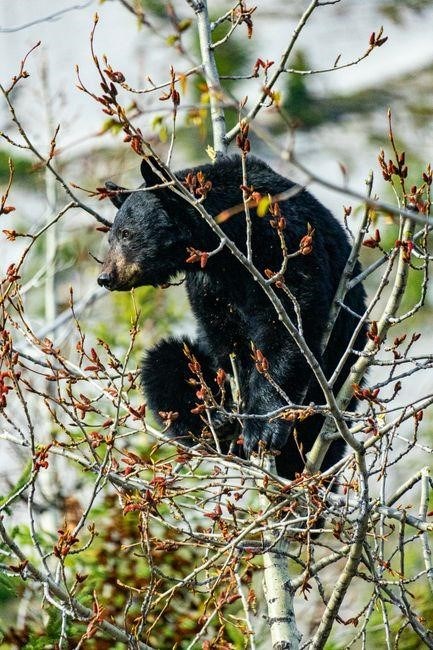
Hyde County Black Bear Hunting Overview
Hyde County’s black bears average 7+ feet‚ 400+ lbs‚ with 500‑lb bears common. Hunters use ambush near corn‚ bait stands‚ or hound chases. Guides boost success with expertise and access to prime spots. Seasonal limits and bag restrictions apply‚ and hunters must secure a permit from NCWRC. Hunts regulated. now.
Tactical Hunting Methods
In Hyde County‚ tactical black‑bear hunters rely on a combination of stealth‚ terrain knowledge‚ and strategic positioning. The most common approach is an ambush set along the edges of cornfields or other crop lines where bears naturally pause to feed; Hunters position themselves in concealed blinds or stands‚ using natural cover to remain unseen while waiting for a bear to pass. Baiting is another key tactic: a carefully placed stand or blind with a scent‑attracting lure draws bears into a known location‚ allowing the hunter to take a clear shot. When hounds are involved‚ the hunter follows the scent trail as the dogs chase the bear‚ then positions themselves for a bay‑up shot once the animal is within range. Timing is critical; hunters monitor wind direction to keep scent from drifting toward the bear‚ and they adjust their stance based on the bear’s movement patterns. Successful hunters also use a layered approach‚ setting multiple blinds across a corridor to increase coverage and reduce the chance of a bear slipping past. These methods require patience‚ a keen sense of hearing‚ and the ability to remain motionless for extended periods. Proper use of camouflage and minimal noise are essential to avoid alerting the bear. By combining these tactics‚ hunters can maximize their chances of a successful harvest while respecting the regulations that govern bear hunting in North Carolina.
Guides use a shadowing technique‚ following the bear’s scent trail from a distance‚ keeping a safe buffer while staying quietly. This method keeps the hunter’s presence maximizes surprise!!.
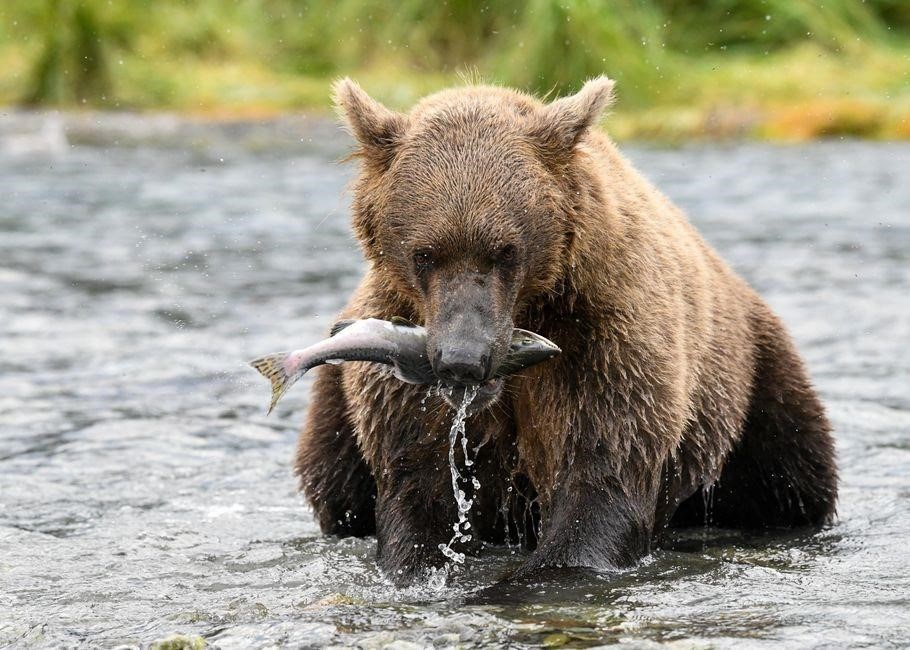
Bear Size and Weight in Hyde County
Hyde County bears average 7+ ft‚ 400+ lb‚ with 500‑lb bears common. Guides note seasonal peaks‚ weight limits‚ and size variations. Hunters track growth trends to target mature males. Proper permits and bag limits apply. NCWRC rulesapply
Bear Size and Weight Statistics
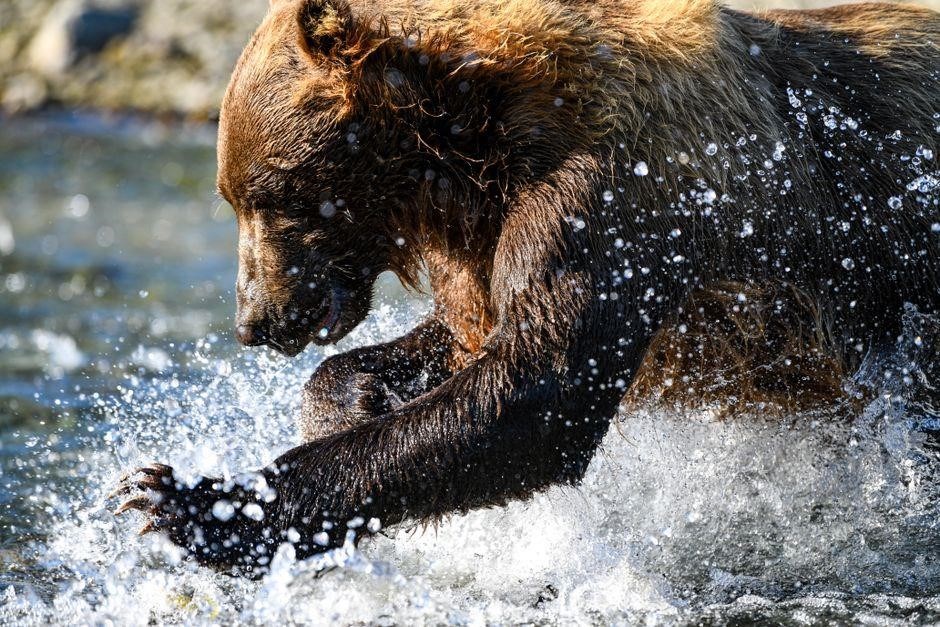
Recent field reports indicate that Hyde County black bears routinely exceed seven feet in length and regularly weigh over 400 pounds. In the current season‚ 500‑pound individuals are considered the norm‚ with a significant portion of the population falling within the 450‑550 pound range. Seasonal variations show that males tend to peak in weight during late summer‚ reaching averages of 520 pounds‚ while females typically average 430 pounds. The data collected by local hunters and guided expeditions indicate a gradual increase in average body mass over the past decade‚ reflecting improved habitat quality and prey availability. These statistics are critical for hunters planning their strategies‚ as they influence the selection of hunting techniques‚ the choice of gear‚ and the timing of field activities. Guides emphasize the importance of adhering to NCWRC regulations‚ which set minimum weight limits and prohibit the harvest of bears under 75 pounds or those with cubs. By understanding these weight distributions‚ hunters can better assess the likelihood of encountering a target animal‚ optimize their use of bait or stand locations‚ and ultimately increase the probability of a successful harvest while maintaining sustainable population levels. The compiled data also serve as a benchmark for future monitoring efforts‚ ensuring that the Hyde County black bear population remains healthy and resilient in the face of changing environmental conditions.
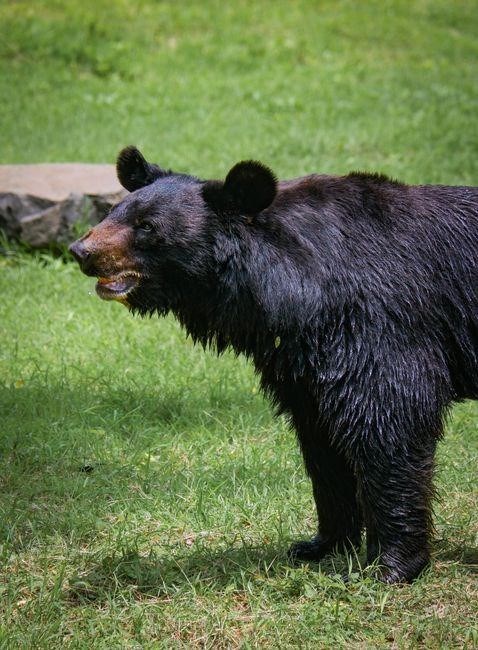
Guided Hunts in North Carolina
Guided hunts in North Carolina offer hunters higher success rates thanks to expert guides and access to prime hunting grounds. Guides provide local knowledge‚ strategic bait placement‚ and efficient tracking‚ increasing the chance of a successful harvest while ensuring compliance with NCWRC regulations and fair play.!!
Benefits of Guided Hunts
Guided hunts in North Carolina give hunters a distinct advantage by combining expert local knowledge‚ strategic bait placement‚ and efficient tracking techniques. Experienced guides understand seasonal bear movements‚ terrain nuances‚ and optimal hunting spots‚ which boosts success rates and cuts down the time spent searching. They supply essential gear—blinds‚ stands‚ and hunting equipment—saving hunters the expense of renting or buying. Guides also ensure strict compliance with NCWRC regulations‚ including bag limits‚ hunting seasons‚ and the ban on hunting sows with cubs or bears under 75 pounds‚ protecting hunters from legal penalties. Safety is a paramount benefit; guides are trained to handle wildlife encounters and can respond swiftly to emergencies. Many guided hunts incorporate educational components‚ teaching hunters about bear behavior‚ habitat conservation‚ and ethical hunting practices. The convenience of a pre‑planned itinerary‚ transportation‚ and lodging arrangements allows hunters to focus solely on the hunt‚ making the experience more enjoyable and less stressful. Moreover‚ guides often have established relationships with local authorities‚ facilitating the acquisition of necessary permits and ensuring adherence to the latest regulations. They can provide real‑time updates on weather‚ trail conditions‚ and bear activity‚ allowing hunters to adapt strategies on the fly. For novice hunters‚ guided hunts serve as a training ground‚ offering hands‑on instruction in stalking‚ shooting‚ and field dressing. Experienced hunters appreciate the opportunity to refine techniques in a controlled environment‚ often leading to improved accuracy and reduced waste. Finally‚ many guide companies support habitat restoration projects and participate in bear population monitoring programs‚ ensuring that hunting remains sustainable and responsible. This comprehensive package—expertise‚ equipment‚ legal knowledge‚ safety‚ convenience‚ education‚ and conservation—makes guided hunts the optimal choice for hunters seeking a successful and responsible bear hunting experience in North Carolina.
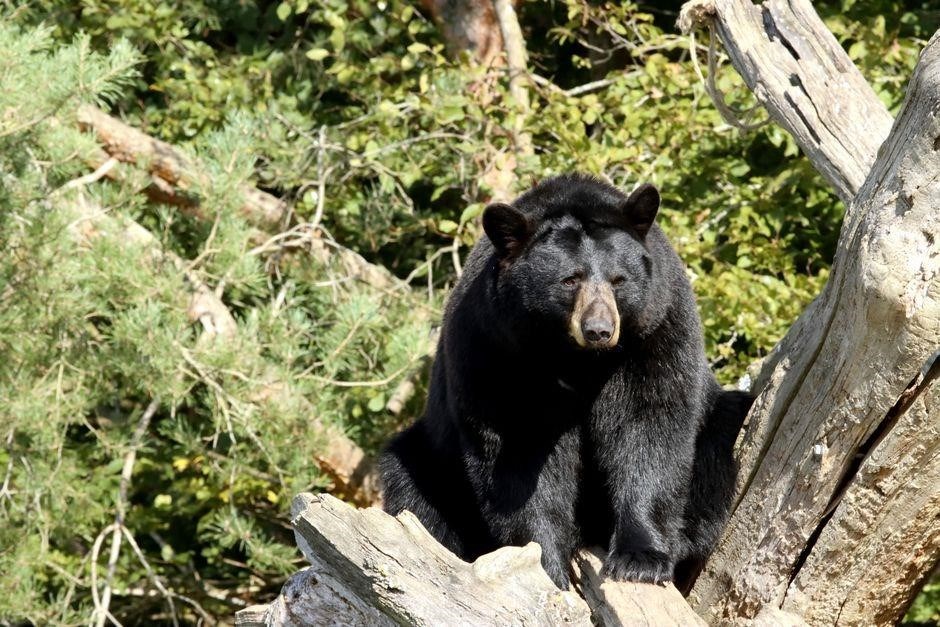
Regulatory Framework by NCWRC
The NCWRC governs bear hunts‚ issuing permits‚ setting bag limits‚ and enforcing a ban on hunting sows with cubs or bears under 75 lb. Hunters must follow seasonal dates‚ use approved gear‚ and report harvests to maintain sustainable populations. All hunters must report online.
Regulatory Considerations
North Carolina’s wildlife authority‚ the NCWRC‚ sets strict guidelines for bear hunting to preserve ecological balance and public safety. Hunters must obtain a valid hunting license and a specific bear permit‚ which is limited in quantity each season. The commission enforces a ban on hunting sows with cubs and prohibits harvesting bears weighing less than 75 pounds. All hunts must occur within designated seasons‚ typically from early September to late October‚ with specific start and end dates varying by county. Hunters are required to use only approved firearms or bows‚ and the use of dogs is regulated: hounds may be employed only under a licensed guide’s supervision and must be trained to avoid disturbing non‑target wildlife. The NCWRC mandates that all hunters report their harvests promptly through the online reporting system; failure to report can result in fines or loss of future hunting privileges. Guides must carry valid credentials and provide proof of their license to the NCWRC when requested. Additionally‚ hunters must adhere to the “no hunting in protected areas” rule‚ respecting state parks‚ wildlife refuges‚ and private lands with restricted access. The commission also monitors hunting pressure by setting bag limits: typically‚ a single hunter may take no more than one bear per season‚ and groups may have a combined limit. These regulations are periodically reviewed and adjusted based on population surveys and ecological studies to ensure sustainable bear populations while allowing responsible recreational hunting. Hunters should consult the latest NCWRC regulations before planning a trip‚ as changes can occur annually or in response to significant population shifts. The NCWRC also requires hunters to obtain a hunter education certificate‚ which covers safety‚ ethics‚ and wildlife conservation. Guides must ensure that all participants understand the importance of minimizing human impact on bear habitats‚ including proper waste disposal and adherence to trail etiquette. In addition‚ the commission provides guidance on the use of scent control products and the importance of maintaining a low profile to avoid attracting bears to human activity areas. For those hunting in remote or rugged terrain‚ the NCWRC recommends carrying a satellite communication device and a first‑aid kit‚ as emergency response times can be extended. Finally‚ hunters should stay informed about any temporary closures or special regulations that may be enacted due to disease outbreaks‚ extreme weather‚ or conservation initiatives‚ which are typically announced through the NCWRC website and local news outlets.
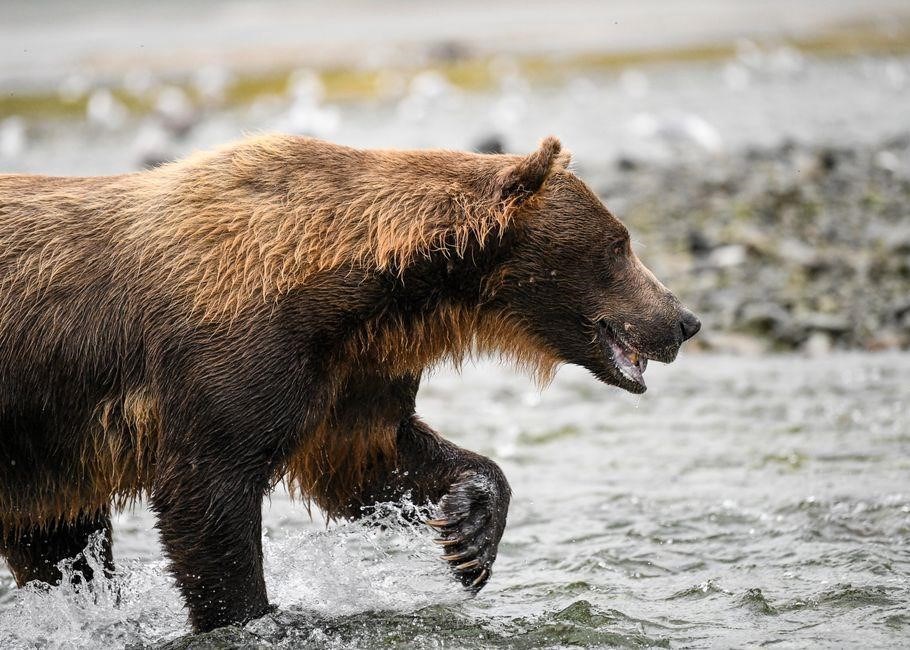
North Carolina Bear Habitat Diversity
North Carolina’s bears thrive in diverse habitats—from humid coastal marshes to rugged Appalachian ridges. Forested uplands offer dense cover‚ while wetlands provide abundant food sources. This variety supports robust populations‚ making the state a prime destination for guided hunts. and conservation. for all.!
Habitat Types
North Carolina’s black bear habitat is a mosaic of ecological zones that collectively sustain a thriving population. The coastal plain‚ with its marshes‚ tidal creeks‚ and pine barrens‚ offers abundant amphibians‚ crustaceans‚ and carrion that serve as high‑energy food sources during the late summer and fall. Moving inland‚ the Piedmont’s rolling hills and mixed hardwood forests provide dense canopy cover‚ ample berry crops‚ and a network of streams that supply both water and fish. The Appalachian foothills and higher elevations introduce cooler temperatures‚ steep slopes‚ and a diversity of tree species such as spruce‚ fir‚ and hemlock‚ which create a complex understory of ferns‚ mosses‚ and shrubs. This structural diversity allows bears to employ a range of foraging strategies—from root digging in the forest floor to climbing trees for acorns and nuts. In addition‚ the state’s numerous swamps and wetland complexes‚ especially in the Outer Banks and the Cape Fear River basin‚ create seasonal “food booms” when insects‚ crustaceans‚ and plant matter proliferate. Guides leverage this habitat heterogeneity by selecting hunting sites that match the bears’ seasonal movements‚ ensuring higher success rates while adhering to NCWRC regulations. By understanding the interplay between topography‚ vegetation‚ and food availability‚ hunters can anticipate bear behavior‚ reduce travel time‚ and increase the likelihood of a productive hunt. This ecological knowledge is essential for responsible stewardship and sustainable hunting practices in North Carolina’s diverse bear landscapes.
Moreover‚ the state’s protected areas—such as the Croatan National Forest‚ the Uwharrie National Forest‚ and the Cape Hatteras National Seashore—provide corridors that connect isolated bear populations‚ facilitating gene flow and reducing inbreeding. These protected lands also serve as buffer zones that mitigate human‑bear conflicts by offering safe refuges during periods of high human activity. Guided hunts often incorporate these corridors into their itineraries‚ allowing hunters to traverse a variety of habitats while maintaining compliance with wildlife management objectives. In sum‚ North Carolina’s bear habitat diversity is a key factor that attracts hunters seeking varied terrain‚ abundant food‚ and the challenge of tracking a species that adapts to a wide range of ecological conditions.
Finally‚ seasonal weather patterns influence bear activity: spring thaw opens up new forage‚ summer heat drives bears to cooler uplands‚ and winter snow cover forces them into lower‚ more accessible areas. Guides monitor these patterns to time hunts for optimal success!!!!
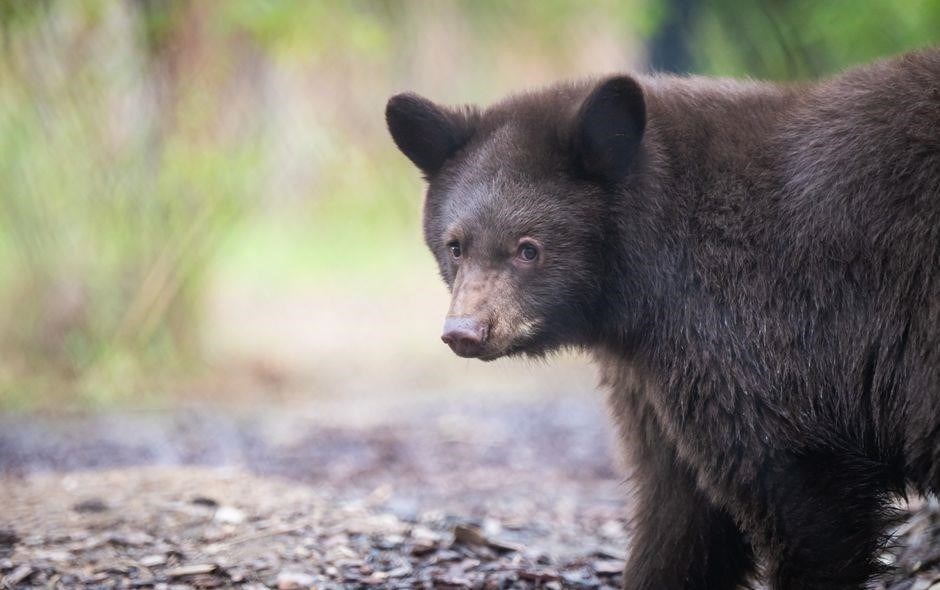
Northeastern North Carolina Guided Hunts
Guided hunts in NE NC cover 2‚000 acres of mixed forest and farmland. Guides use ambush‚ bait stands‚ and hound teams. Bears average 400‑500 lb‚ with 500‑lb individuals common. Three‑day trips rely on ATVs for access‚ and all hunts follow NCWRC rules. Guides give safety briefings and check gear before each trip
Northeastern Hunt Logistics
Planning a guided hunt in northeastern North Carolina requires careful logistics. Most tours span three days‚ covering roughly 2‚000 acres of mixed forest and farmland. Guides use ambush points near cornfield edges‚ bait stands‚ and hound teams to locate black bears‚ which average 400–500 lb. Access to the remote terrain is typically by ATV‚ so groups must bring or rent suitable vehicles and ensure they have proper permits for off‑road travel. Each day begins with a safety briefing that covers the NCWRC regulations—particularly the ban on hunting sows with cubs and on bears under 75 lb—alongside gear checks and wildlife etiquette. Hunters receive a detailed itinerary‚ including suggested start times‚ expected bear activity windows‚ and contingency plans for weather or equipment issues. Meals are usually prepared on site‚ with options for breakfast‚ lunch‚ and dinner‚ and water is carried in bulk containers. Overnight stays are in field cabins or tents‚ depending on the guide’s setup‚ and the group must adhere to fire‑control rules. Communication is maintained via satellite phone or radio‚ and guides provide real‑time updates on bear sightings and trail conditions. After the hunt‚ participants often return to a local lodge or camp for a debrief and to celebrate the day’s success. Guides also share insights on bear behavior and optimal shooting distances‚ enhancing hunters’ confidence. The hunt’s schedule aligns with the NCWRC’s seasonal window‚ ensuring compliance with bag limits and hunting license requirements. Participants should bring lightweight gear‚ a first‑aid kit‚ and a reliable GPS unit for safety
Additional Resources and Tips
Check the NCWRC portal for up‑to‑date regulations‚ permit links‚ and bag limits. Browse local guide directories like HuntAnywhere or Steves Outdoor Adventures for vetted experts. Pack a first‑aid kit‚ a reliable GPS‚ and a sturdy hunting blind. Follow all safety protocols and respect wildlife.Stay safe hunt smart.
Planning and Preparation
Before heading into North Carolina’s black bear season‚ hunters should map an itinerary that aligns with seasonal windows and local hunting zones. The NCWRC publishes a calendar of open days‚ and many guides recommend booking a slot at least three months in advance to secure a prime location. Hunters must obtain a hunting license‚ black bear tag‚ and a hunting permit specifying the county. Permit fees vary by county; for Hyde County‚ the fee is $25 for a standard tag and $10 for a supplemental permit. Guides provide local knowledge of bear movement patterns.
Review the state’s rules on hunting sows with cubs or bears under 75 lb. A thorough pre‑hunt briefing with the guide will cover these regulations. Hunters should also check for temporary closures that may apply to specific tracts. Staying informed about rules ensures compliance and helps avoid costly penalties. They advise on optimal bait placement.
Equipment selection is critical. A vest‚ a reliable hunting rifle or shotgun with a suitable caliber for bear defense‚ and a sturdy hunting knife are essential. A flashlight and a compass should be carried to navigate the forest and locate bait stations. Hunters should also bring a sturdy hunting blanket‚ preferably set up in a cornfield or near a water source