Watch Guide: A Comprehensive Overview (Updated 02/06/2026)
This guide explores diverse watch types—mechanical, quartz, digital, and smartwatches—covering origins like Swiss, Japanese, and Chinese manufacturing.
The world of watches is remarkably diverse, offering a timepiece for every taste and purpose. Generally, watches fall into two primary categories: mechanical and quartz. However, within these broad classifications lie numerous sub-types, each with unique characteristics and appeals.
Mechanical watches, often considered the pinnacle of horological craftsmanship, rely on intricate systems of springs, gears, and levers to measure time. These are further divided into manually wound watches, requiring periodic winding by the user, and automatic (self-winding) watches, powered by the natural motion of the wearer’s wrist.
Quartz watches, on the other hand, utilize a battery-powered quartz crystal to regulate timekeeping, offering exceptional accuracy and convenience. Digital watches present time numerically, while chronographs add stopwatch functionality. Beyond these, specialized types like dive, pilot, and field watches cater to specific needs and aesthetics.
Mechanical Watches: The Heart of Horology
Mechanical watches represent a legacy of intricate engineering and traditional watchmaking. Unlike their quartz counterparts, they don’t rely on electronic components, instead harnessing the power of a mainspring to drive a complex array of gears and levers. This results in a captivating “ticking” second hand, a visual hallmark of mechanical timepieces.
The appeal of mechanical watches extends beyond mere timekeeping; they are appreciated for their artistry and the skill involved in their creation. These watches require regular servicing to maintain optimal performance, a testament to their complex nature. They embody a connection to the history of horology, offering a tangible link to centuries of innovation.

Within the mechanical realm, two primary types exist: manually wound and automatic. Each offers a distinct experience, appealing to different preferences and lifestyles, representing the enduring spirit of mechanical watchmaking.
Manually Wound Mechanical Watches
Manually wound mechanical watches, also known as hand-winding watches, require the wearer to periodically wind the mainspring using the crown. This action stores energy, powering the watch until the spring fully unwinds – typically around 40-72 hours, depending on the model. This daily ritual fosters a unique connection between the owner and the timepiece, a deliberate act of maintaining its operation.
These watches are often celebrated for their artistic value within the watchmaking world. The visible, rhythmic sweep of the second hand, driven by the gradual release of the mainspring’s energy, is a captivating feature. While requiring consistent attention, manually wound watches often exhibit a slimmer profile compared to automatic models, as they lack the oscillating weight.
Accuracy can vary, generally around 20 seconds per day, but the charm lies in their mechanical complexity and the tangible experience they offer.
Automatic (Self-Winding) Mechanical Watches
Automatic, or self-winding, mechanical watches represent a significant advancement in horology. They eliminate the need for manual winding through the incorporation of an oscillating weight – a metal component that swings with the natural motion of the wearer’s wrist. This movement perpetually winds the mainspring, storing energy and keeping the watch running.
The beauty of an automatic watch lies in its convenience and the ingenious engineering that allows it to harness kinetic energy. While not requiring daily attention like manually wound watches, they still offer the intricate mechanical operation that enthusiasts appreciate. They are a testament to the artistry of watchmaking, showcasing visible movements and complex gear trains.
Like their manually wound counterparts, accuracy can vary, but the consistent winding ensures reliable timekeeping with minimal user intervention.
Quartz Watches: Precision and Convenience
Quartz watches revolutionized timekeeping with their exceptional accuracy and affordability. Unlike mechanical watches, quartz movements utilize a battery to power a quartz crystal oscillator. This crystal vibrates at a precise frequency, regulated electronically, providing a highly stable time base. This results in significantly greater accuracy compared to mechanical alternatives, typically losing or gaining only a few seconds per month.
The convenience of quartz watches is undeniable. They require minimal maintenance beyond battery replacements, and their robust construction makes them less susceptible to damage from shocks and temperature fluctuations.
While often perceived as less prestigious than mechanical watches, quartz technology has become ubiquitous, powering a vast range of timepieces from everyday wear to sophisticated chronographs.
Digital Watches: A Modern Approach
Digital watches represent a departure from traditional analog displays, presenting time numerically using LED or LCD technology. Emerging in the 1970s, they quickly gained popularity for their readability and functionality. These watches eschew intricate mechanical movements, relying instead on electronic circuits and a battery to maintain accurate timekeeping.

Beyond simply displaying the time, many digital watches incorporate a wealth of features, including chronographs, timers, alarms, and even date displays. Their durability and water resistance often make them ideal for sports and outdoor activities.
While initially viewed as a less refined alternative to analog watches, digital timepieces have evolved into a distinct style category, embraced for their modern aesthetic and practical utility.
Chronograph Watches: Timing Beyond Telling Time
Chronograph watches are distinguished by their ability to measure elapsed time, functioning as a stopwatch alongside their primary time-telling function. This complication adds a layer of complexity and utility, appealing to those who need to time events accurately. Typically, chronographs feature sub-dials to record seconds, minutes, and sometimes hours.

Originally designed for military and sporting applications – such as timing races or calculating speeds – chronographs have become a popular choice for watch enthusiasts. They can be found in both mechanical and quartz movements, offering a range of price points and features.
A Seiko chronograph, specifically those with a 1/100-second retrograde display, showcases advanced timing capabilities, demonstrating the evolution of this classic complication.
Dive Watches: Built for the Depths
Dive watches are engineered for underwater use, prioritizing legibility, durability, and water resistance. These robust timepieces typically feature a unidirectional rotating bezel to track elapsed dive time, ensuring divers don’t lose track of their bottom time. A crucial element is high water resistance, often rated to at least 200 meters (660 feet), and frequently exceeding that depth.
Key characteristics include luminous hands and markers for visibility in low-light conditions, and a secure screw-down crown to maintain water tightness. The case backs are often reinforced to withstand pressure, and the crystals are made of durable materials like sapphire.
Beyond their functional purpose, dive watches have become popular as everyday wear, appreciated for their rugged aesthetic and reliable performance. They represent a blend of practicality and style.
Pilot Watches: Aviation Inspired Timekeeping
Pilot watches, born from the needs of early aviators, prioritize legibility and functionality. Originally designed as tools for navigation, these watches feature large, clear dials with highly contrasting hands and numerals for quick and easy time reading, even in challenging conditions. Early models often had oversized crowns for easy operation while wearing gloves.
Many pilot watches incorporate a triangle marker at the 12 o’clock position, a nod to the “12 o’clock rule” used in aviation for orientation. Some feature multiple time zones, crucial for pilots navigating different regions. Robust construction and anti-magnetic properties were also essential, protecting the movement from the interference of aircraft instruments.
Today, pilot watches maintain their functional aesthetic, offering a blend of historical significance and modern style, appealing to both aviation enthusiasts and watch collectors.
Field Watches: Rugged and Reliable
Field watches emerged as practical timekeeping tools for soldiers during the 20th century, demanding durability, legibility, and reliability in harsh environments. These timepieces were built to withstand the rigors of combat, featuring robust cases, easily readable dials with large numerals, and often, luminous markings for visibility in low-light conditions.
Typically, field watches prioritize functionality over ornamentation, with a focus on clear time display and dependable performance. They often have simple, uncluttered designs and are protected by durable crystals. Historically, they were supplied to military forces with specific requirements for accuracy and resilience.
Modern field watches continue this tradition, offering a rugged and understated aesthetic that appeals to those seeking a practical and dependable everyday timepiece. They represent a blend of military heritage and contemporary style.
Dress Watches: Elegance and Sophistication
Dress watches represent the pinnacle of understated elegance in horology, designed to complement formal attire and exude sophistication. Historically, these timepieces prioritized slim profiles to slip easily under shirt cuffs, a crucial consideration for formal occasions. They typically feature minimalist dials, often with refined indices and delicate hands, avoiding excessive ornamentation.
Cases are generally crafted from precious metals like gold or platinum, enhancing their luxurious appeal. Leather straps, often black or brown, complete the refined aesthetic. Functionality is secondary to style; dress watches traditionally display only the time, eschewing complications like chronographs or date displays to maintain a clean look.
Modern dress watches continue this tradition, offering a timeless and versatile option for those seeking a classic and refined timepiece. They embody a sense of quiet luxury and enduring style.
Skeleton Watches: A View into the Movement
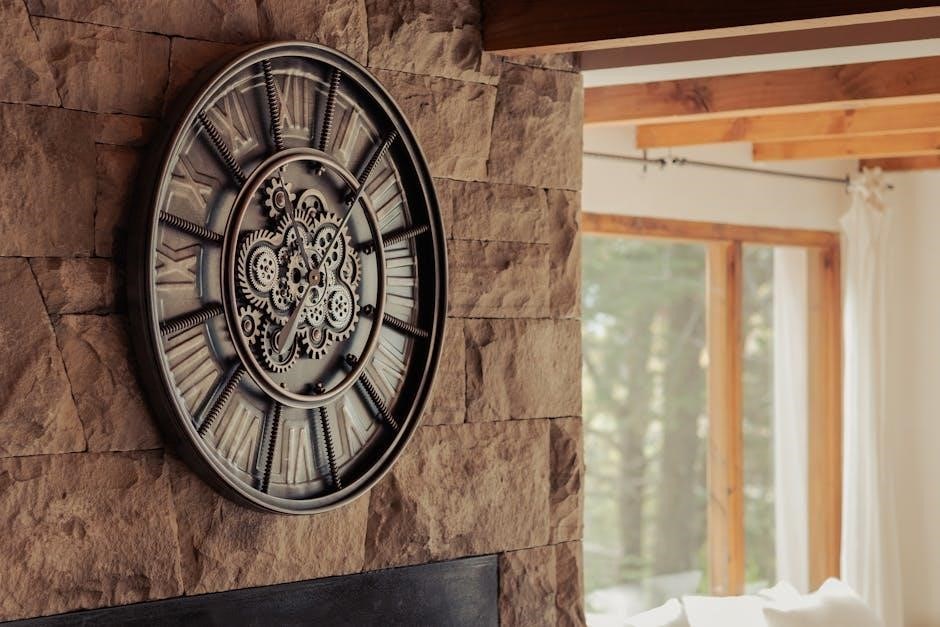
Skeleton watches are a captivating display of horological artistry, showcasing the intricate inner workings of a timepiece. These watches are meticulously crafted with cutaway dials and casebacks, revealing the movement’s gears, springs, and plates. This transparent design isn’t merely aesthetic; it’s a testament to the watchmaker’s skill and precision.
The process of skeletonization is incredibly demanding, requiring careful removal of material without compromising the movement’s structural integrity or functionality. Often, the remaining components are intricately decorated with engraving, polishing, and other embellishments, elevating the watch to a wearable work of art.
Skeleton watches come in various styles, from subtly revealing designs to fully exposed movements. They appeal to watch enthusiasts who appreciate mechanical complexity and the beauty of traditional watchmaking techniques, offering a unique and mesmerizing glimpse into the heart of timekeeping.
GMT/World Timer Watches: Tracking Multiple Time Zones
GMT (Greenwich Mean Time) and World Timer watches are essential tools for travelers and global citizens, designed to display multiple time zones simultaneously. GMT watches typically feature an additional hand that makes a full rotation every 24 hours, indicating a second time zone. This is particularly useful for referencing a home time zone while traveling.
World Timer watches, on the other hand, display the times of numerous cities around the world on a rotating bezel or dial. These watches often feature a 24-hour disc and a city ring, allowing the wearer to quickly identify the time in various locations.
Both GMT and World Timer complications are highly valued by watch collectors for their practicality and sophisticated design. They represent a blend of functionality and horological expertise, offering a convenient way to stay connected to the world’s time zones.
Smartwatches: The Future on Your Wrist
Smartwatches represent a significant evolution in timekeeping, blending traditional watch aesthetics with cutting-edge technology. Unlike mechanical or quartz watches, smartwatches are powered by digital processors and operating systems, offering a wide array of features beyond simply telling time.
These features commonly include fitness tracking, heart rate monitoring, GPS navigation, smartphone notifications, and even mobile payment capabilities. Many smartwatches allow users to download and install apps, extending their functionality even further.
Leading brands in the smartwatch market offer diverse designs and functionalities, catering to various lifestyles and preferences. While some prioritize fitness tracking, others focus on seamless smartphone integration. Smartwatches are continuously evolving, pushing the boundaries of what a wristwatch can be and solidifying their place as a key component of modern technology.
Pocket Watches: A Classic Revival
Pocket watches, once the ubiquitous timekeeping device, are experiencing a notable resurgence in popularity. Historically, these timepieces were carried in pockets and often adorned with intricate engravings and embellishments, representing status and craftsmanship. While largely replaced by wristwatches in the early 20th century, pocket watches retain a unique charm and appeal to collectors and enthusiasts.
The revival is fueled by a growing appreciation for vintage aesthetics and a desire for something distinct from modern wristwatches. Many contemporary brands are now producing new pocket watches, blending traditional designs with modern movements.

These timepieces often feature mechanical movements, showcasing the artistry of watchmaking. Owning a pocket watch is a statement, evoking a sense of nostalgia and sophistication; They represent a connection to a bygone era, offering a tangible link to horological history and a refined alternative to contemporary timekeeping.
Retro Watches: Vintage Style and Collectibility
Retro watches capitalize on the enduring appeal of past decades, offering designs inspired by the 1960s, 70s, and 80s. These timepieces aren’t necessarily vintage themselves – many are newly manufactured – but they deliberately emulate the aesthetics of those eras, featuring distinctive case shapes, dial layouts, and color palettes. This style provides an accessible entry point into vintage-inspired horology.
The collectibility of retro watches stems from their ability to evoke nostalgia and offer a unique fashion statement. Certain brands and models from specific periods have become highly sought after by enthusiasts.
Beyond aesthetics, retro watches often represent a simpler time in watchmaking, before the prevalence of digital displays and smart features. They’re a popular choice for those seeking a timepiece that stands out and reflects a personal style, blending classic design with modern reliability.

Swiss Made vs. Other Origins (Japan, China)
The “Swiss Made” designation carries significant weight in the watch industry, historically representing luxury, precision, and quality craftsmanship. To earn this label, a watch must meet stringent criteria, including a substantial portion of its movement being Swiss-made and final assembly occurring in Switzerland. This contributes to a perceived higher value and prestige.
However, Japan and China have emerged as significant players in watch manufacturing. Japanese watches, like those from Seiko, are renowned for their innovation, reliability, and often, excellent value for money. They frequently offer advanced technology at competitive price points.
Chinese watchmaking has rapidly evolved, with increasing quality and design sophistication. While historically associated with lower-cost options, many Chinese brands now produce compelling timepieces. The origin of a watch doesn’t automatically dictate quality; it’s crucial to consider the brand, movement, and overall construction.
Accuracy Considerations: Mechanical vs. Quartz
Accuracy is a key differentiator between mechanical and quartz watches. Quartz movements, powered by a battery and utilizing a quartz crystal oscillator, are significantly more precise. They typically gain or lose only a few seconds per month, offering exceptional timekeeping consistency. This makes them ideal for those prioritizing accuracy above all else.
Mechanical watches, conversely, rely on intricate mechanical movements and are inherently less accurate. Factors like temperature, position, and the watch’s power reserve influence their performance. A manually-winding mechanical watch can deviate by approximately 20 seconds per day, while automatic movements exhibit similar variances.
Despite this difference, many watch enthusiasts appreciate the inherent charm and artistry of mechanical movements. Regular servicing and adjustments can help maintain their accuracy, but they will never match the precision of a quartz watch. The choice depends on individual priorities: unwavering accuracy or the appreciation of horological craftsmanship.
Accuracy of Manual-Winding Mechanical Watches
Manual-winding mechanical watches, celebrated for their traditional craftsmanship, present a unique approach to timekeeping, but with inherent accuracy limitations. These timepieces require regular winding by the user, typically daily, to maintain a consistent power reserve and optimal performance. However, even with diligent winding, they are susceptible to variations in accuracy.
Generally, a well-maintained manual-winding mechanical watch can deviate by around 20 seconds per day. This variance stems from the intricate interplay of numerous tiny components, sensitive to factors like temperature fluctuations, gravitational forces based on position, and the precision of the mainspring’s release.
The artistic value of these watches often outweighs the pursuit of absolute precision. The iconic ticking of the second hand, driven by the gradual release of the mainspring, is a visual testament to the watch’s mechanical heart. While not as accurate as quartz alternatives, manual-winding watches offer a tangible connection to horological history.
Seiko Chronograph Specifics (1/100-Second Retrograde)
Seiko’s 1/100-second retrograde chronograph represents a fascinating complication within the world of watchmaking, showcasing Japanese precision and innovation. This feature allows for exceptionally accurate timing of short intervals, far exceeding the capabilities of standard chronographs. The “retrograde” aspect refers to the way the sub-dial hand resets—it doesn’t simply return to zero, but swiftly flies back to its starting position after each measurement.
Detailed instructions are crucial for operating this complex function effectively. Understanding the crown and pusher combinations is essential for starting, stopping, and resetting the chronograph. The watch’s documentation outlines these procedures, ensuring users can fully utilize its timing capabilities.
This Seiko innovation is particularly appealing to those involved in motorsports or any activity requiring precise measurement of fractions of a second. It’s a testament to Seiko’s commitment to pushing the boundaries of horological technology.
Building a Watch Collection: Key Types to Consider
Embarking on building a watch collection is an exciting journey, demanding thoughtful consideration of diverse styles and functionalities. A well-rounded collection should encompass essential types to suit various occasions and preferences. Start with a versatile everyday watch – a field or pilot style offers robustness and readability. Next, incorporate a classic dress watch for formal events, embodying elegance and sophistication.

A chronograph adds a sporty dimension, while a dive watch showcases durability and water resistance. Don’t overlook the appeal of vintage-inspired retro watches, offering unique character and collectibility. Exploring mechanical watches, both manual-wind and automatic, provides an appreciation for traditional craftsmanship.

Finally, consider a GMT or world timer for travelers. This curated selection ensures you’re prepared for any situation, reflecting a personal style and horological knowledge.
The pursuit of the perfect watch is a deeply personal one, guided by individual style, needs, and budget. As we’ve explored, the world of horology offers a vast spectrum of choices, from the intricate mechanics of Swiss-made timepieces to the precision of quartz and digital displays. Consider your lifestyle: do you require rugged durability, elegant sophistication, or practical functionality?
Understanding the nuances of each watch type – mechanical, quartz, chronograph, dive, or smartwatches – is crucial. Don’t be swayed solely by brand prestige; prioritize a watch that resonates with your aesthetic and complements your daily activities.
Ultimately, the ideal watch isn’t about ticking boxes but about finding a timepiece that tells your story, a reliable companion that marks the moments of your life with style and precision.